

What Is IPTV?
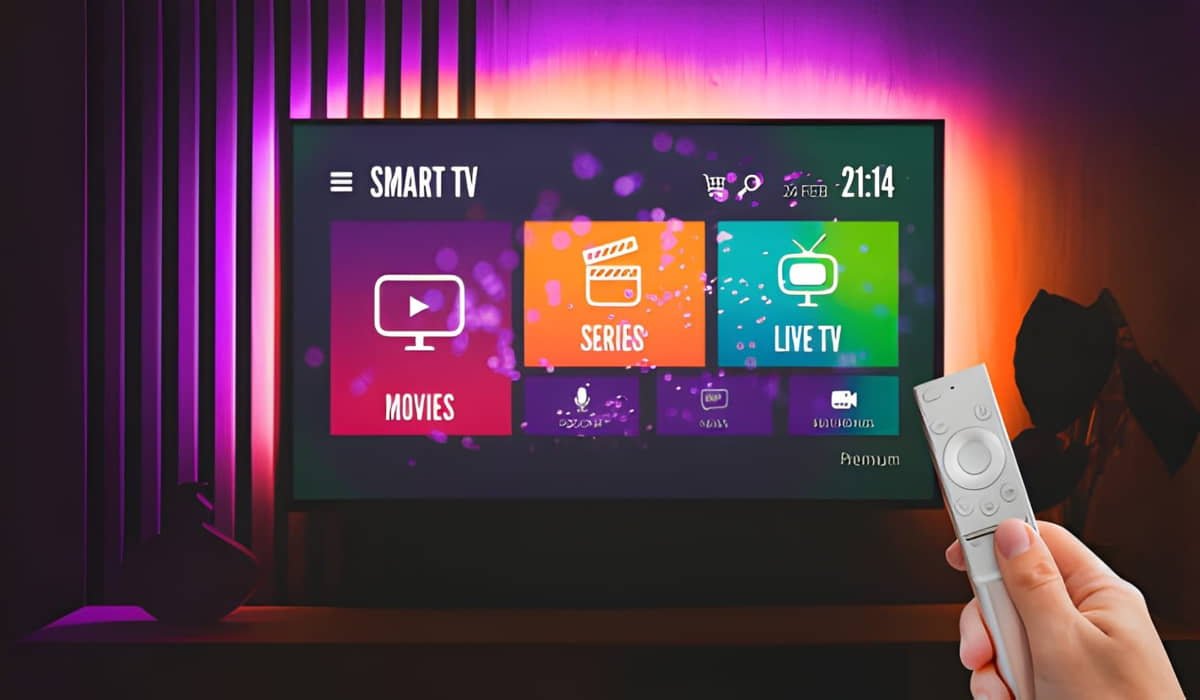
IPTV stands for Internet Protocol Television. It delivers television content through your internet connection instead of traditional cable wires or satellite dishes. You watch live channels, recorded shows, and on-demand movies through any internet-connected device. No dish on your roof. No cable box cluttering your living room.
It’s the same idea as Netflix or YouTube but built specifically for live TV channels, sports, and broadcast programming from around the world.
How IPTV Actually Works
Traditional TV sends signals through cables buried underground or satellites orbiting in space. Your TV receives those signals and displays the content. The whole system depends on physical infrastructure that costs enormous amounts to build and maintain.
IPTV skips all of that. Your internet connection carries the TV signal directly to your device. The content travels as data packets, the same way emails, web pages, and video calls travel. Your device receives those packets, reassembles them, and displays the picture on your screen in real time.
The result is television delivered entirely through your broadband connection without any additional physical infrastructure needed at your end.
What Devices Play IPTV
This is one of IPTV’s biggest practical advantages over traditional TV. It works on almost every screen you already own.
Smart TVs from Samsung, LG, Sony, and TCL support IPTV apps directly. No extra hardware is needed beyond what most households already have sitting in their living room.
Amazon Fire Stick and Roku devices turn any regular TV into a smart streaming device capable of running IPTV apps instantly.
Android and iOS phones run IPTV apps, giving you full channel access on your mobile anywhere your internet connection reaches.
Laptops and desktop computers access IPTV through browser-based players or dedicated apps on both Windows and Mac systems.
Android TV boxes and Apple TV give dedicated streaming hardware options for households that prefer a purpose-built device connected permanently to their main screen.
MAG boxes are hardware devices built specifically for IPTV that many dedicated subscribers prefer for their stability and simplicity.
The Three Types of IPTV Content
IPTV delivers content in three distinct formats that together cover every type of viewing habit.
Live IPTV streams channels in real time exactly like traditional broadcast TV. News channels, sports events, entertainment channels, and local broadcasts all stream live as they happen. You watch the same content at the same time as everyone else tuned to that channel.
Video on Demand (VOD) gives you a library of movies, TV series, documentaries, and other content available to watch at any time you choose. No schedules. No waiting. Pick what you want and start watching immediately.
Time-shifted TV lets you watch content that already broadcast at an earlier time. Missed a live sports match or a news programme? Time-shifted IPTV lets you go back and watch it after the fact without recording it yourself in advance.
IPTV vs Cable vs Satellite
Understanding what makes IPTV different from the older alternatives helps explain why millions of households are switching.
Cable TV requires a physical cable connection to your home. Your channel options are limited to what your cable provider offers in your area. Pricing is set by the provider with limited flexibility. Equipment like cable boxes and set-top units add monthly rental fees on top of the subscription cost.
Satellite TV requires a dish mounted on your property and a clear line of sight to the sky. Weather affects signal quality. Installation costs are significant. Channel packages are fixed with limited customisation options.
IPTV needs only a working internet connection and a compatible device. No physical installation. No weather interference. Channel selection varies widely between providers. Pricing is generally lower than cable or satellite for comparable content volumes. The whole service starts working within minutes of subscription.
What Internet Speed Does IPTV Need
IPTV quality depends directly on your internet connection speed. Different streaming quality levels need different minimum speeds.
Standard definition streaming needs at least 5 Mbps for a stable picture. High definition requires 10 to 25 Mbps. Full 4K Ultra HD streaming needs 50 Mbps or higher to run smoothly without buffering or quality drops.
Most standard home broadband connections in the UAE, Canada, and UK comfortably exceed these minimums. If you experience buffering on IPTV, the cause is usually internet speed, network congestion during peak hours, or a Wi-Fi connection that’s too far from your router rather than a problem with the IPTV service itself.
A wired ethernet connection between your router and streaming device always delivers more stable IPTV performance than Wi-Fi, particularly for 4K content.
Legal and Illegal IPTV
This is the most important distinction anyone considering IPTV needs to understand clearly.
Legal IPTV comes from providers who hold proper licences to distribute the content they offer. They pay content creators, broadcasters, and rights holders for every channel and programme in their library. Netflix, Amazon Prime, Disney+, Crave, Pro IPTV Canada, and other licensed streaming services are all legal IPTV providers. Licensed local providers who meet their country’s broadcasting regulations also operate legally.
Illegal IPTV comes from providers who stream copyrighted content without holding proper distribution rights. They offer large channel counts and extensive content libraries at very low prices because they pay nothing to the rights holders whose content they steal. Using these services violates copyright law in most countries, including the UAE, Canada, the UK, and the USA.
The content itself looks identical on screen. The legal and financial difference underneath is enormous.
Why People Switch to IPTV
The reasons are practical and consistent across every market where IPTV has grown.
Cost is the primary driver. IPTV subscriptions cost significantly less than equivalent cable or satellite packages for comparable or greater volumes of content. Monthly savings of 50 to 70 percent compared to traditional TV packages are common for households that make the switch.
Flexibility matters too. Watch on any device anywhere your internet connection reaches. No fixed TV location. No cable outlet is required in every room. Your subscription travels with you.
Channel variety is wider on most IPTV services than on local cable packages. International channels, home country content for expats, sports from around the world, and niche programming that cable providers never carry are all accessible through IPTV services with the right content licences.
IPTV for Expats and International Viewers
IPTV has transformed how expatriates access content from their home countries. A Pakistani professional living in Dubai can watch Pakistani news channels and entertainment programming live. A British expat in Abu Dhabi accesses UK channels in real time. A Canadian working in the UAE stays connected to Canadian sports and news without any of the limitations satellite TV previously imposed on international viewers.
This international content access is one of the strongest practical use cases for IPTV among the UAE’s large and diverse expat population.
The Future of Television
Traditional cable and satellite subscriptions are declining globally as IPTV subscriptions and streaming services grow. Younger generations have never paid for cable TV and show no signs of starting. Households that previously maintained cable subscriptions are cancelling them at increasing rates as legal IPTV options improve in quality and content range.
Internet infrastructure improvements, including faster broadband speeds and wider coverage, make IPTV more reliable and accessible every year. 5G mobile networks extend IPTV access beyond home broadband into truly mobile television viewing anywhere a mobile signal reaches.
The direction of television is clear. Content delivery through internet connections is replacing physical broadcast infrastructure as the standard model for how people watch TV globally.
The Bottom Line
IPTV delivers television through your internet connection to any device you already own. It costs less than cable, needs no physical installation, and offers greater content flexibility than traditional broadcasting. Legal IPTV through properly licensed providers is a straightforward, affordable, and reliable replacement for cable and satellite TV.
Understanding the legal versus illegal distinction before choosing a provider is the only critical decision every new IPTV subscriber needs to make correctly from the start.